
Categories
Browse insights across DeFi, stablecoins, RWAs, trading bots, regulations, and more.
Filter By:
DeFi
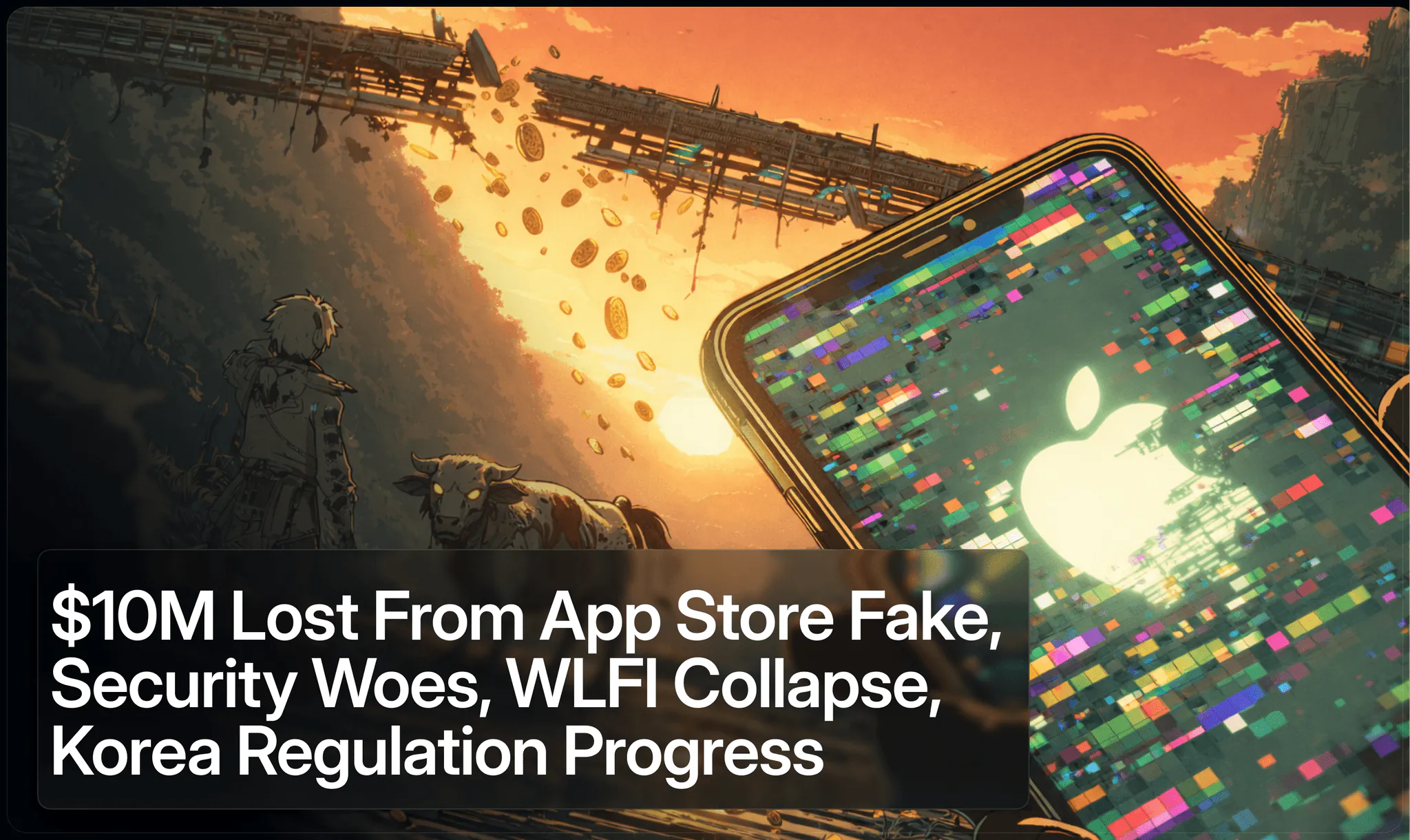
A fake Ledger app in Apple's App Store drained $9.5M from 50+ victims, CoW Swap's frontend was hijacked via DNS, and Hyperbridge lost $237K to a proof-replay exploit, all in a 12-day window that also saw Solana hit record on-chain metrics and South Korea table its most comprehensive crypto framework yet.
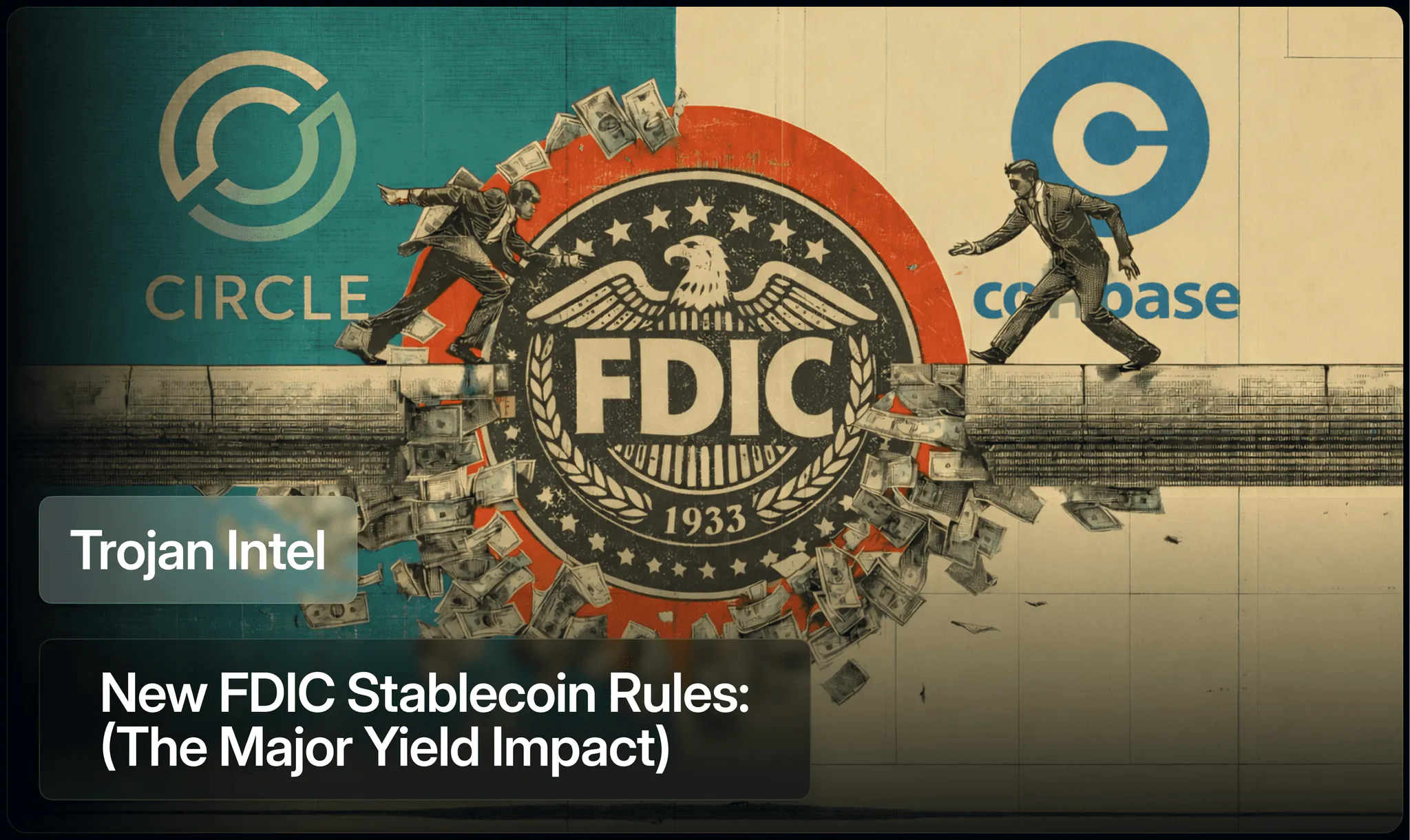
The FDIC's April 7, 2026 NPRM imposes strict 1:1 reserve, no-yield, and custody requirements on permitted payment stablecoin issuers under the GENIUS Act. It also clarifies that reserve deposits are not pass-through insured. The new no-yield ban puts the lucrative Circle-Coinbase revenue-sharing partnership directly in the crosshairs.
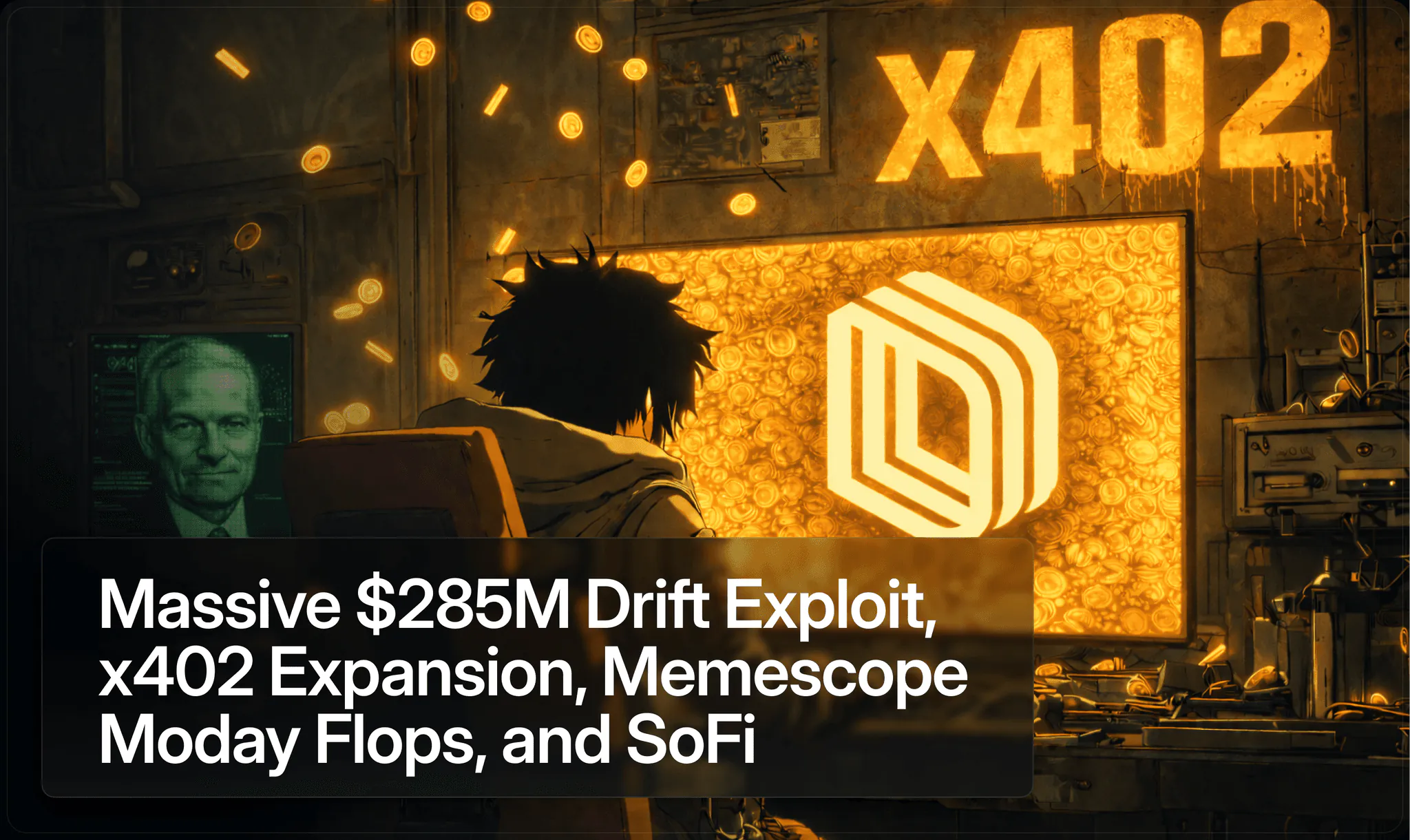
Solana's biggest DeFi hack of 2026 hit on April Fool's Day. Drift Protocol lost $285M to an admin key compromise with suspected DPRK links. The same week, the SEC/CFTC taxonomy gave SOL explicit commodity status, SoFi went live on Solana for enterprise banking, and the x402 Foundation launched with Solana driving 65% of its volume.
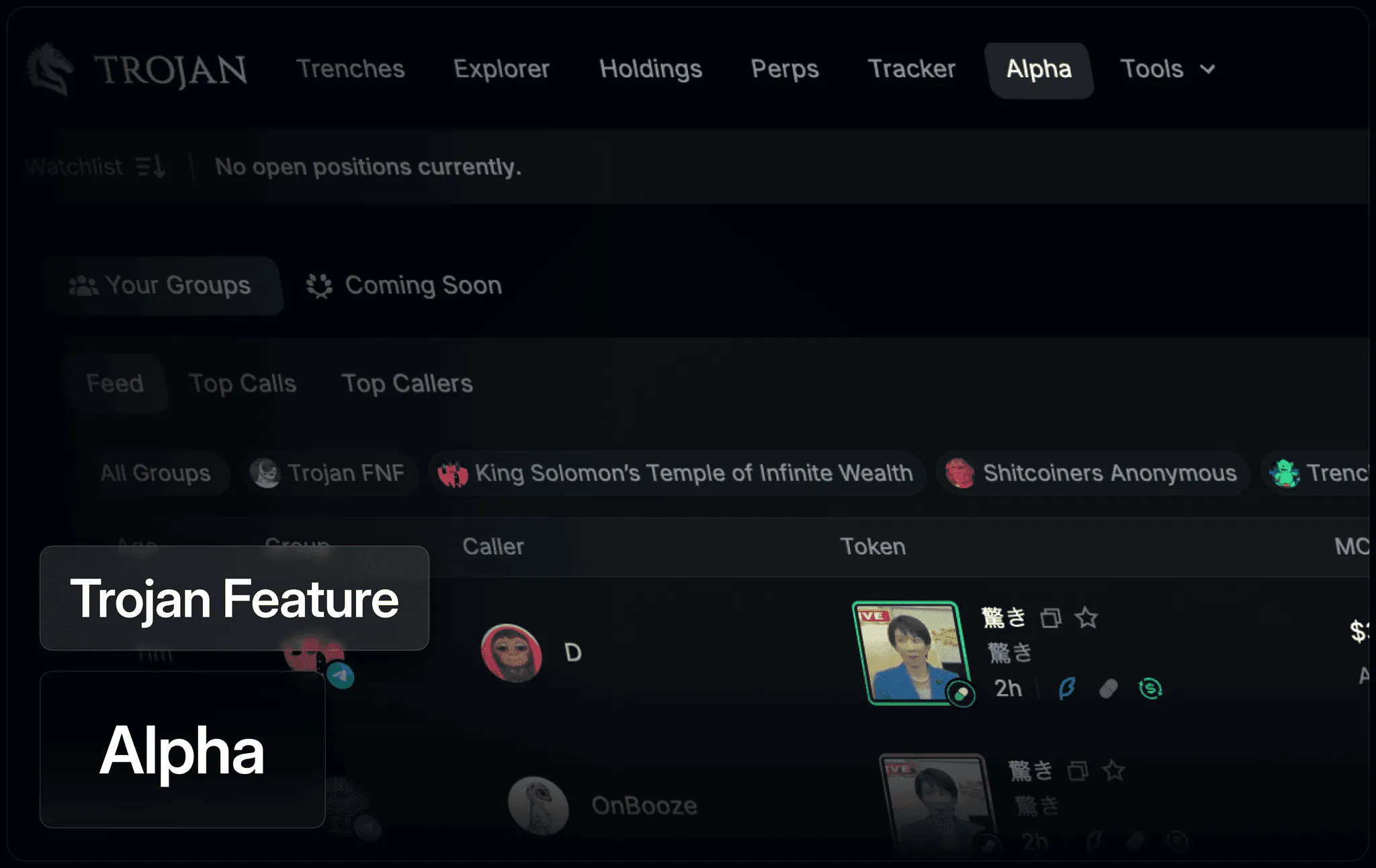
Alpha is Trojan Terminal's community intelligence hub. Connect your Telegram and Discord groups via TokenScan and every call flows into one live feed with real-time performance data, caller rankings, and one-click buying. All your groups. All their calls. One place.
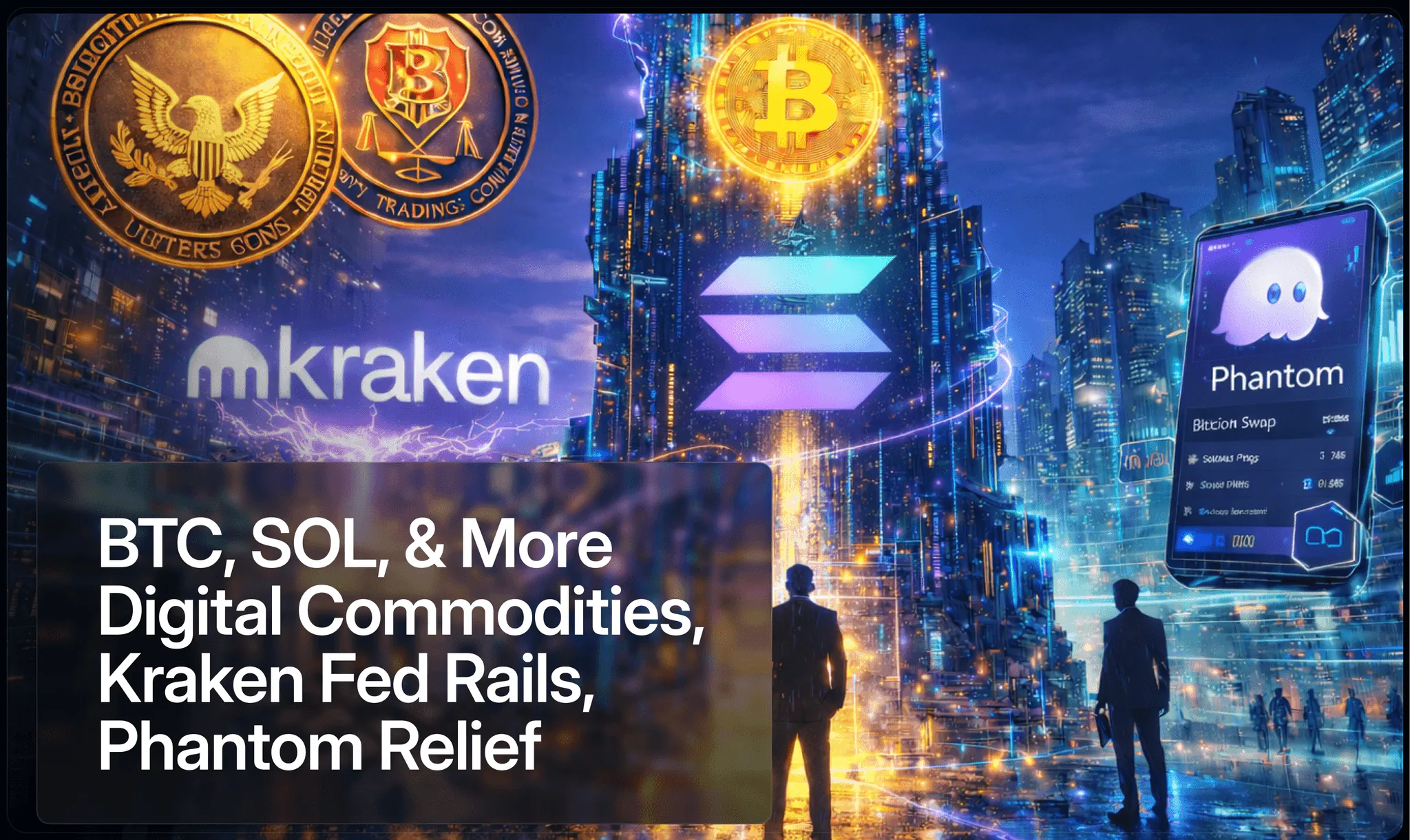
The most significant regulatory development in crypto's history landed March 17: a joint SEC-CFTC interpretation ending securities ambiguity for Bitcoin, Ethereum, SOL, and 13 others. The same day, Phantom secured first-of-its-kind CFTC derivatives relief. Kraken put its Fed master account to work with live instant withdrawals, and Solana approved SIMD-0266 for April mainnet.
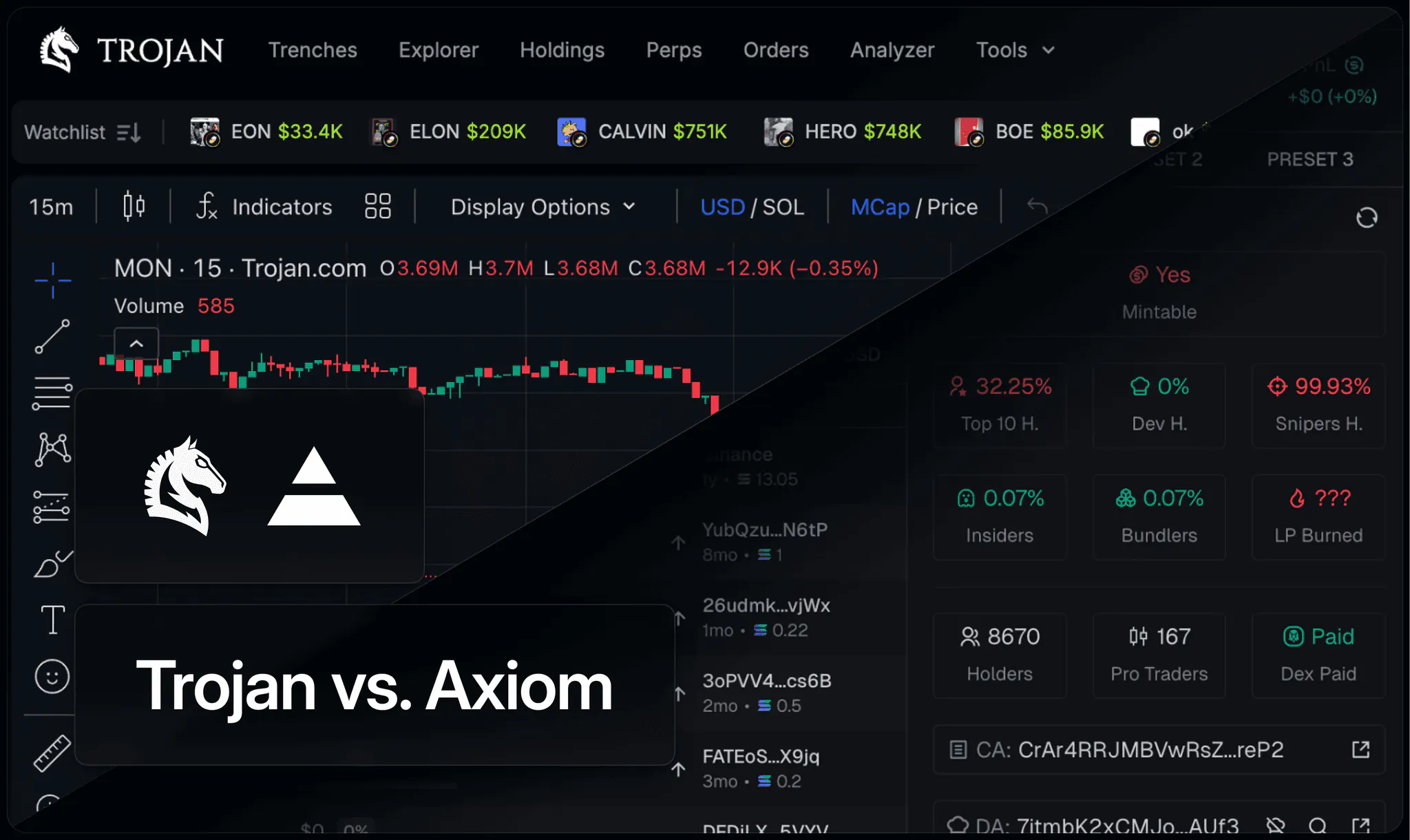
Trojan and Axiom both target Solana traders, but they take different approaches. Our comparison breaks down performance, design, and reliability. We also highlight security concerns, recent events where insiders traded against users, and real rewards mechanisms. See why Trojan’s precision, clarity, and feature-depth give users the upper hand.
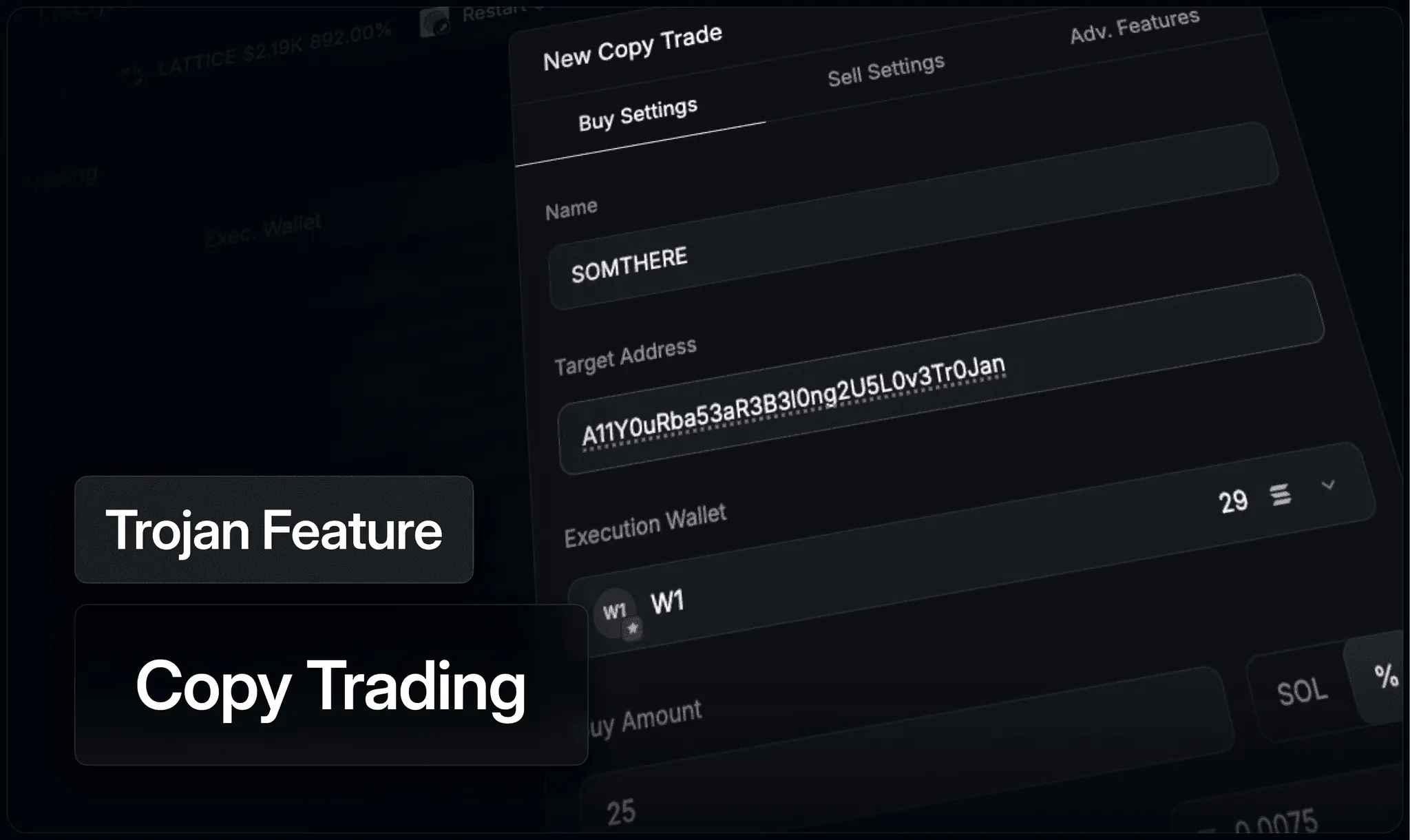
Copy Trading lets Trojan traders select any wallet on Solana and automatically replicate its buys and sells, with configurable buy amounts, exit strategies, and filters that control exactly what gets copied and how.
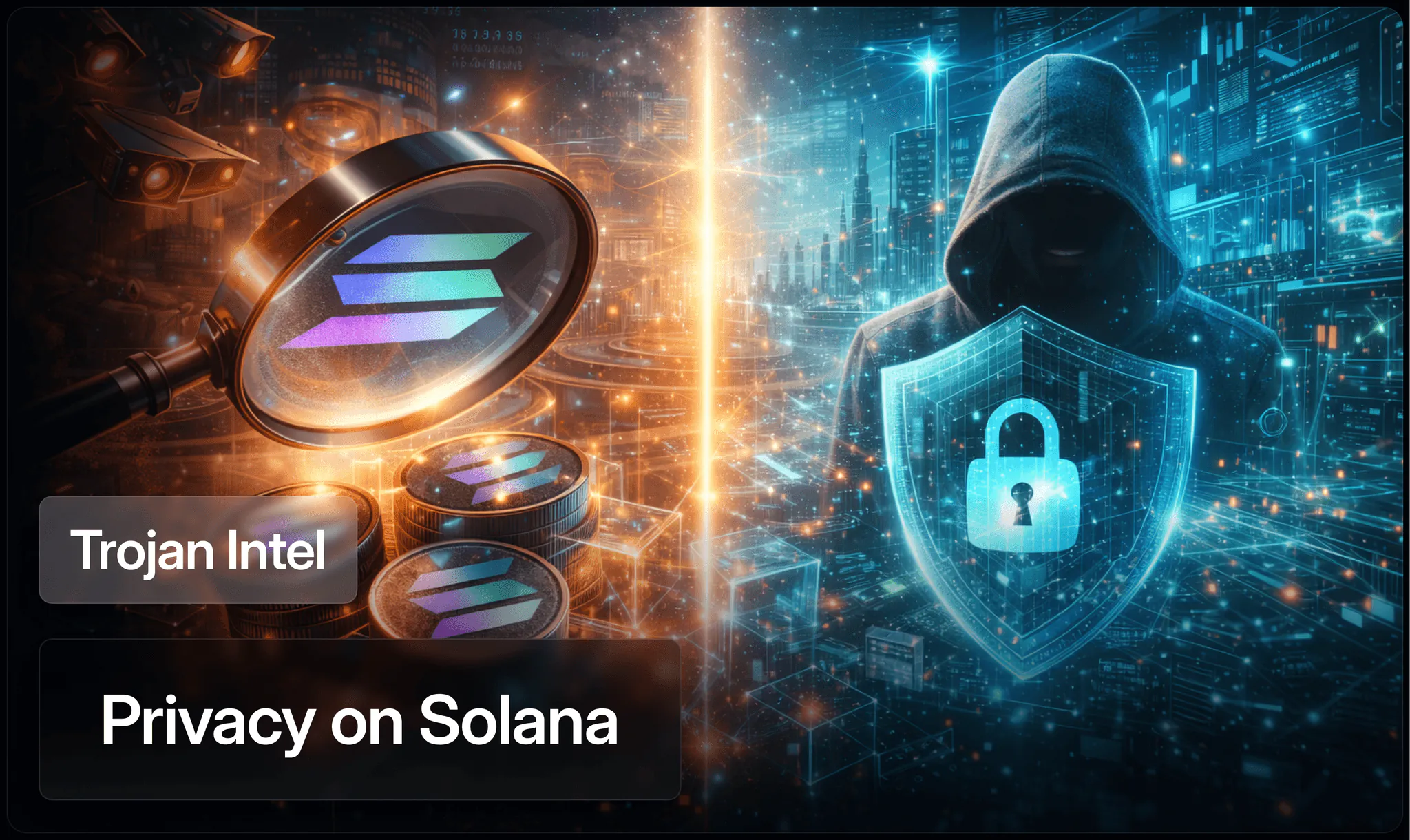
In this Trojan Intel report we cover the full state of Privacy on Solana: from early projects that didn't make it, to the native Confidential Balances now baked into the token standard, the competing infrastructure approaches from Arcium, MagicBlock, and Darklake, and the applications processing real volume today. Plus what's coming next.
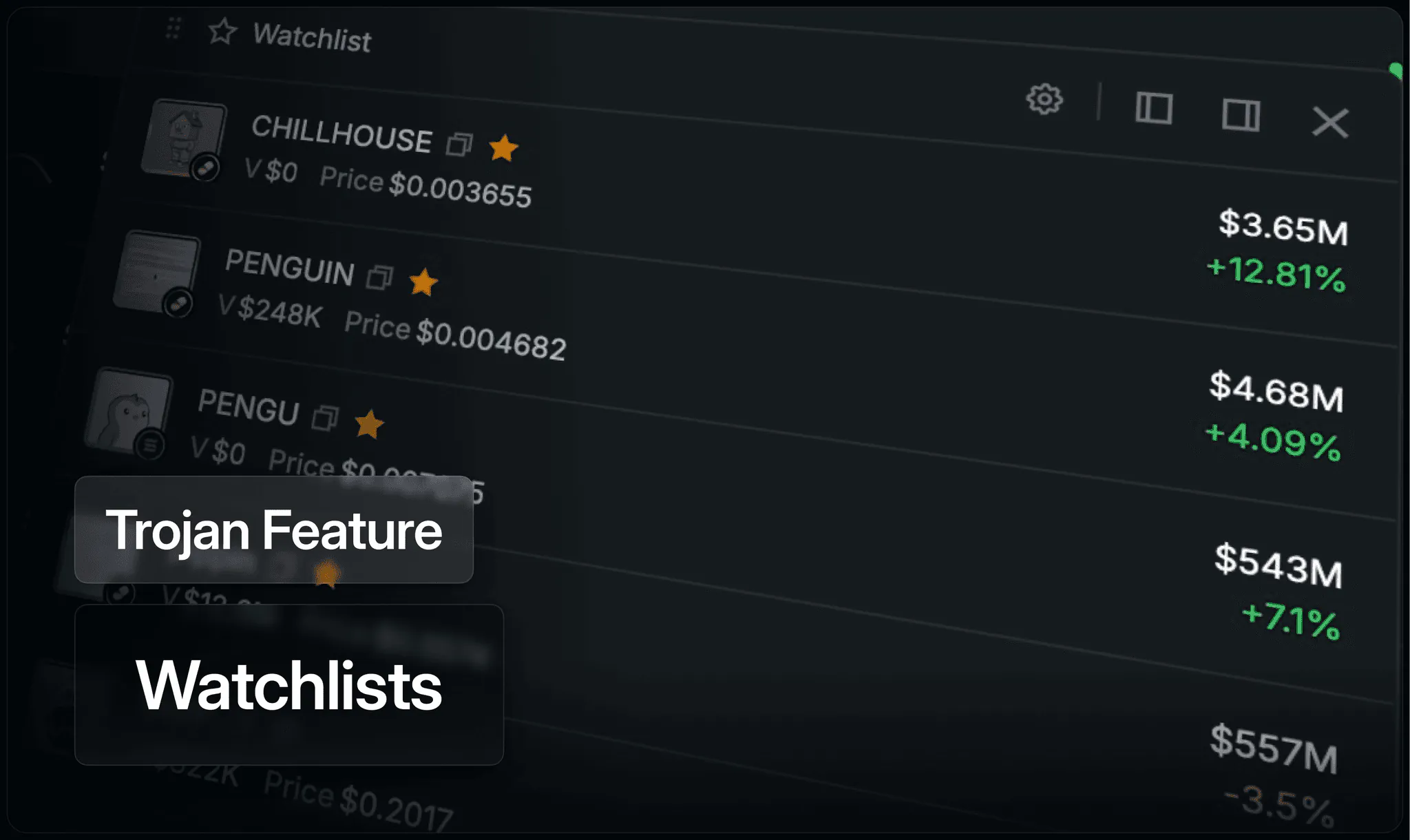
Watchlists give Trojan traders a persistent, organized view of the tokens they care about, with live price and volume data, multiple named lists, and direct access to charts and trades without leaving the terminal.
Trojan has integrated Hyperliquid perps into its terminal, giving users access to crypto, major FX pairs, gold, silver, commodities, and tokenized stocks like TSLA and GOOGL with up to 50x leverage. The launch expands Trojan into a true multi-asset onchain exchange, consolidating spot and leveraged trading across major global markets.
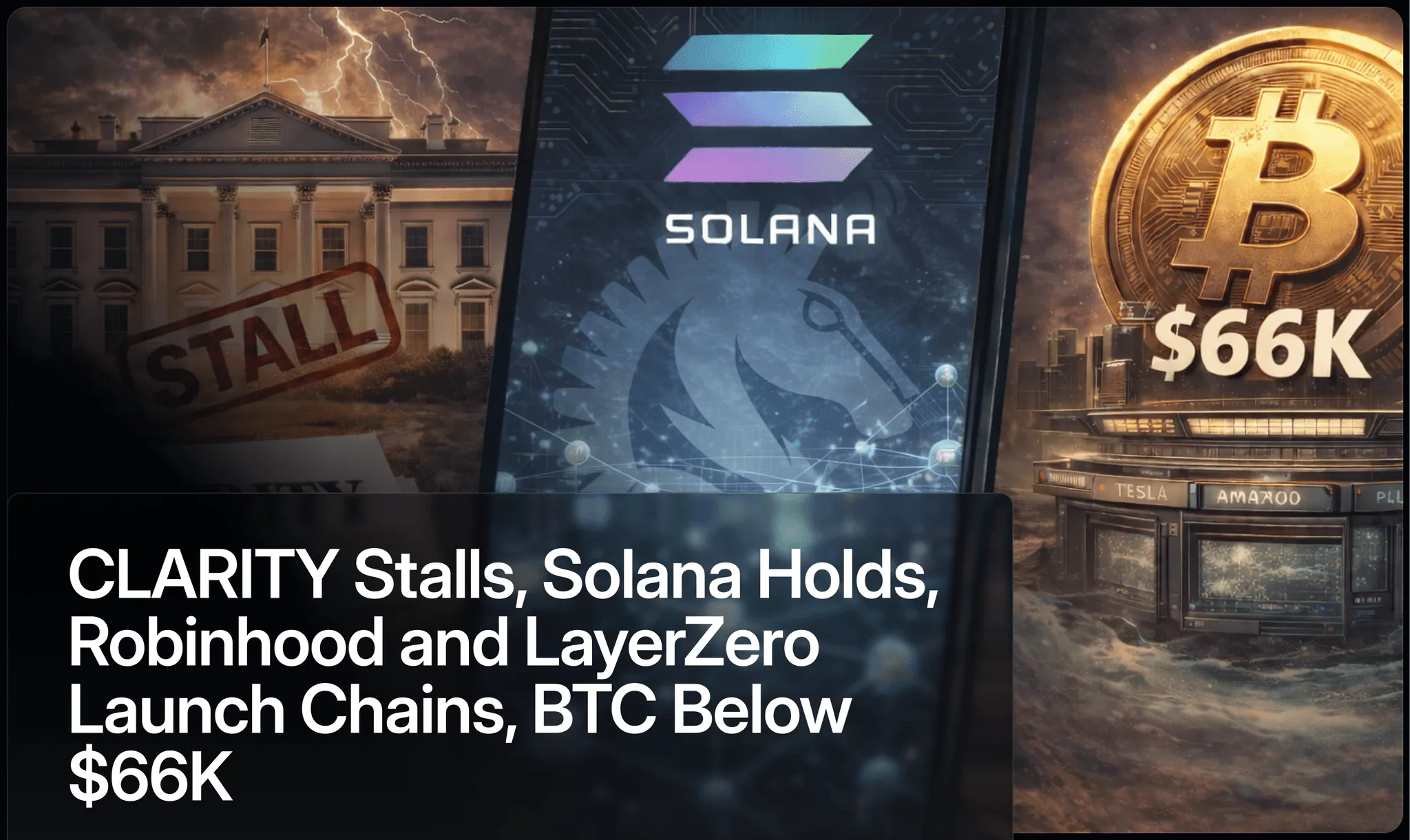
From February 7–12, markets chopped lower with Bitcoin hovering near $66K while White House crypto talks failed to resolve stablecoin disputes. Solana activity held steady, Robinhood launched an Arbitrum-based Layer-2 for tokenized equities, LayerZero unveiled a new institutional-grade Layer-1, and regulatory momentum continued despite political friction.
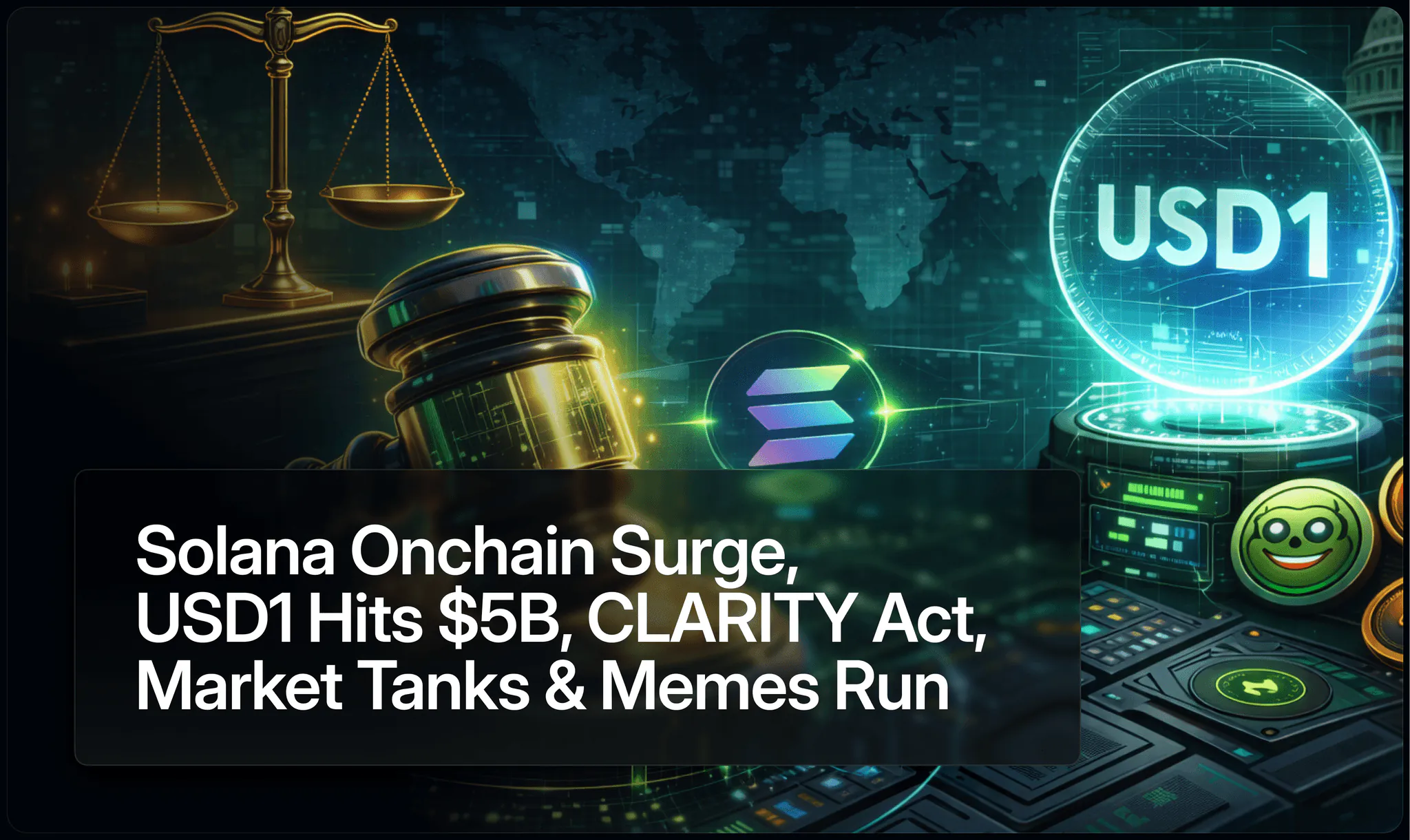
Over the past three days, Solana usage continued to climb through higher fees, address growth, USD1 expansion, and new infrastructure launches as Washington pushed forward on CLARITY Act negotiations. Markets sold off sharply on macro pressure, but memecoin rotation and onchain activity remained concentrated on Solana.
Trading crypto on Solana also means deciding how to denominate your holdings. We explain why a token can be up in USD but down in SOL, how relative performance creates that difference, and why Trojan shows both views so traders can properly evaluate opportunity cost.
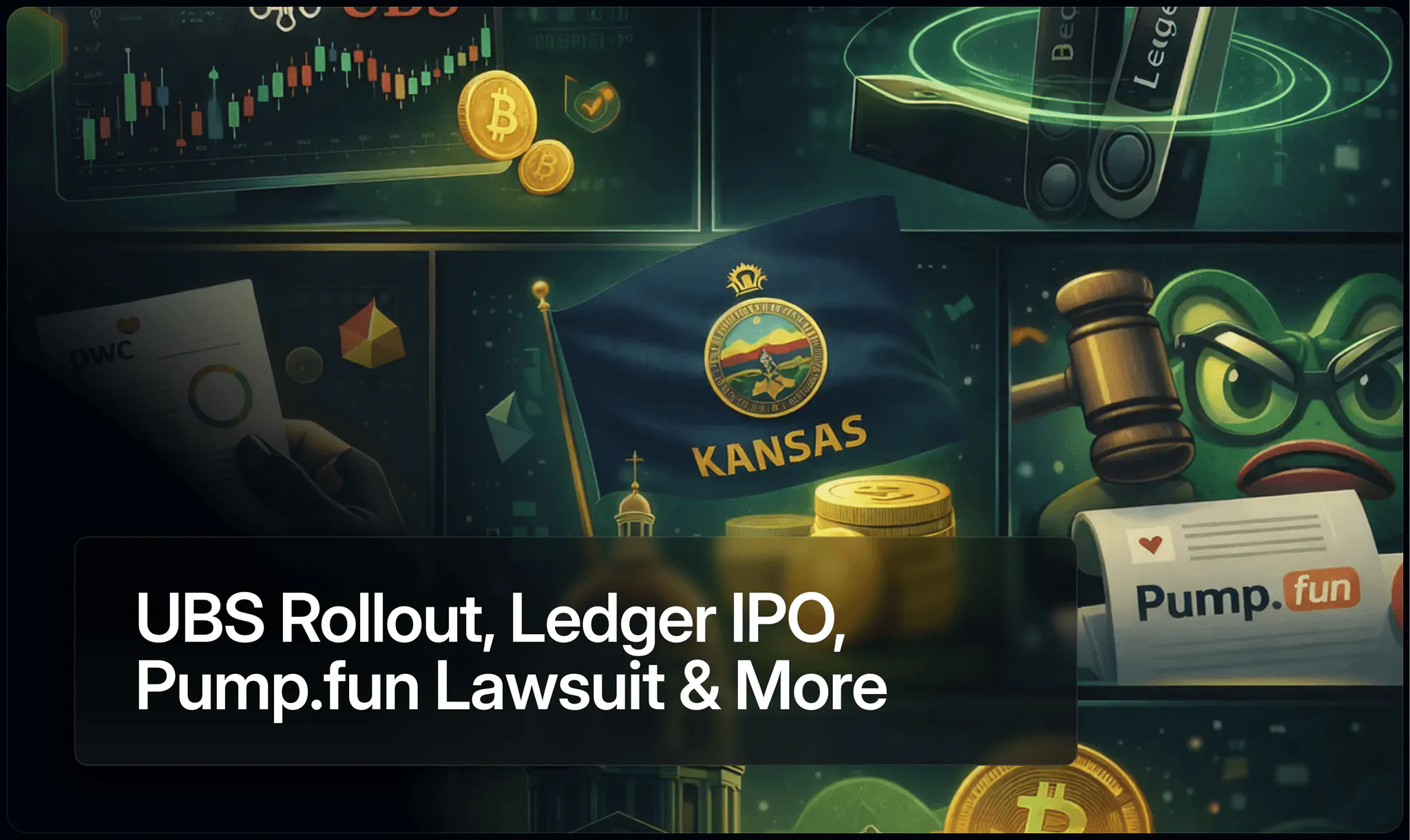
Crypto markets show signs of stabilizing as institutional players move deeper into blockchain. UBS readies Bitcoin trading for private clients, Ledger eyes a $4B NYSE IPO, and PwC calls crypto adoption “past the point of no return.” Solana continues to lead in network strength and partnerships, with Hanwha joining forces in Korea and new DeFi entrants like PinPet gearing up for launch.
Solana Mobile launched the SKR airdrop on January 21, delivering nearly 2 billion tokens to Seeker phone owners and developers. The SKR token powers the Solana Mobile ecosystem with staking, governance, and user incentives through April 2026.
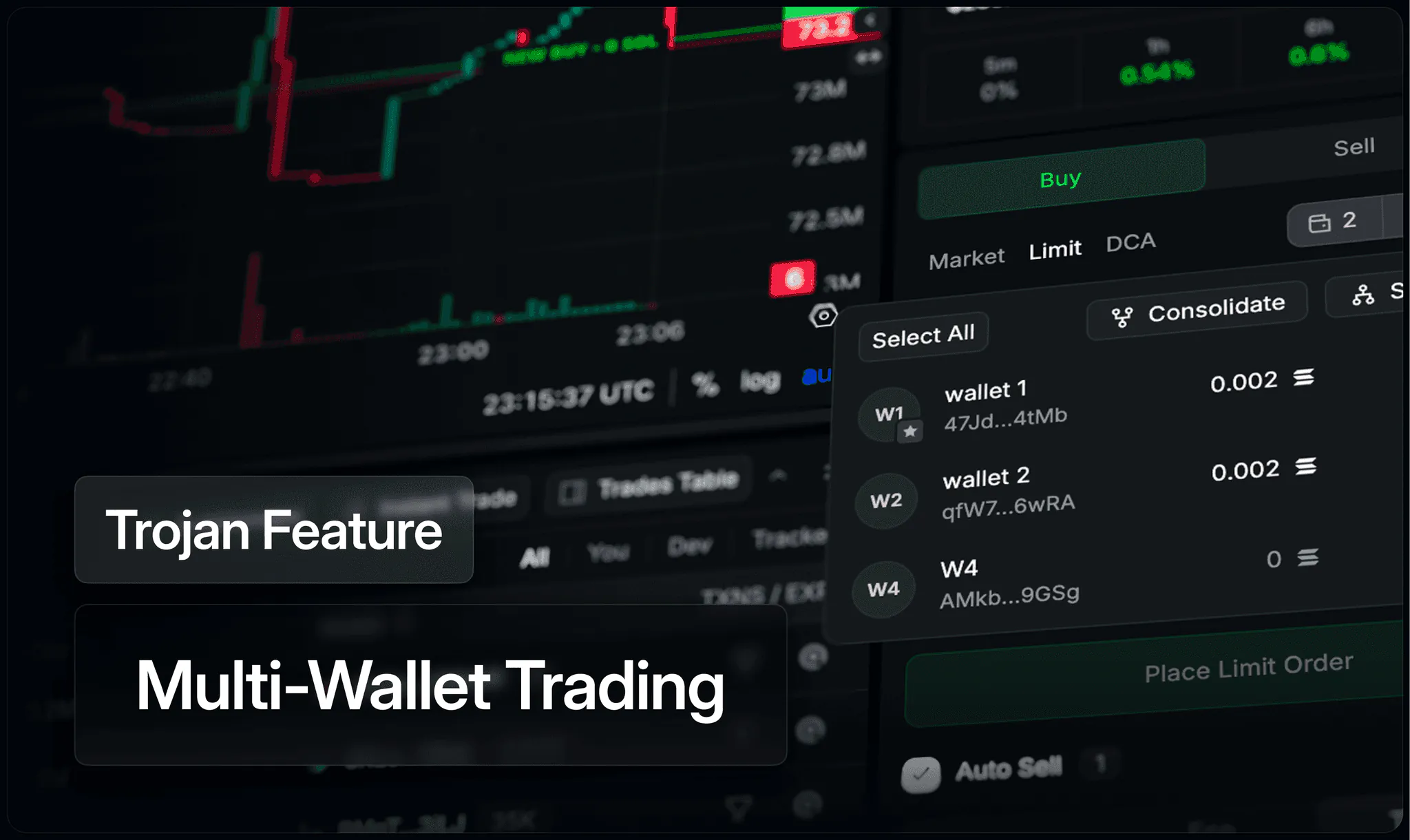
Multi-Wallet on Trojan’s terminal provides unified control of multiple Solana wallets. Traders can organize strategies, distribute or consolidate funds, and execute trades across all wallets at once, combining flexibility with precise strategy management.
Onchain trading moves fast, and picking the right terminal matters. This head-to-head review of Trojan vs. GMGN breaks down automation, rewards, and usability to show which Solana platform gives traders the better edge.
This article compares Photon and Trojan’s terminal on Solana, outlining Photon’s limited feature depth and incentive structure while examining how Trojan addresses those gaps with more complete automation, rewards, and trading infrastructure.
X-Tracker connects Trojan’s terminal to real-time crypto chatter on X, identifying emerging trends, key accounts, and viral narratives driving token performance across the Solana ecosystem.
The Clarity Act (H.R. 3633) aims to establish a unified U.S. framework for digital assets, distinguishing securities from commodities and clarifying oversight between the SEC and CFTC. With a Senate markup set for the end of January, the outcome could reshape the landscape for onchain markets and institutional participation.
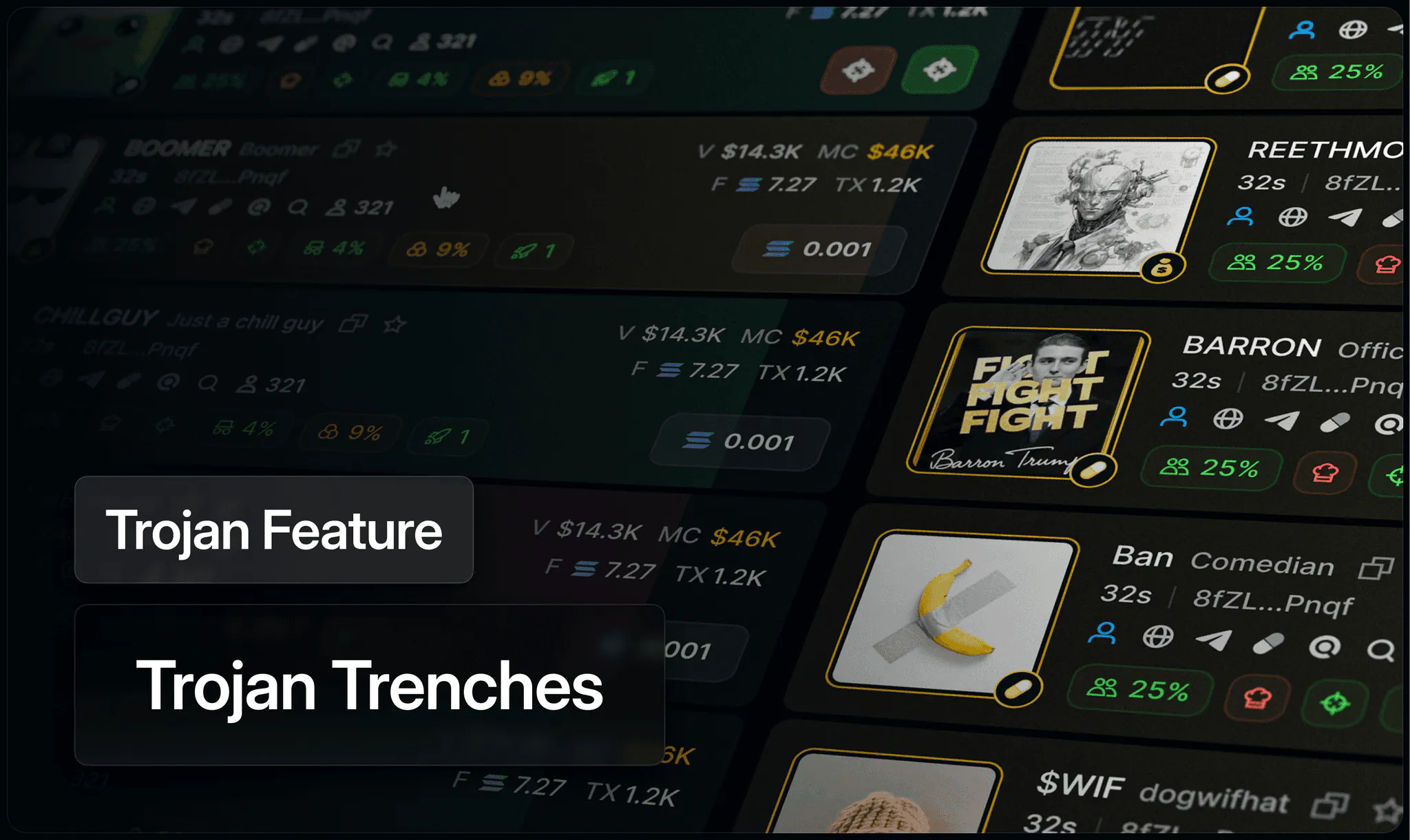
Trenches provides Trojan traders with a real-time view of trending tokens, fresh liquidity, and active wallets across the Solana ecosystem. It delivers live market intelligence directly within Trojan’s terminal, transforming high-speed data into immediate trade opportunities.
A fake Ledger app in Apple's App Store drained $9.5M from 50+ victims, CoW Swap's frontend was hijacked via DNS, and Hyperbridge lost $237K to a proof-replay exploit, all in a 12-day window that also saw Solana hit record on-chain metrics and South Korea table its most comprehensive crypto framework yet.
The FDIC's April 7, 2026 NPRM imposes strict 1:1 reserve, no-yield, and custody requirements on permitted payment stablecoin issuers under the GENIUS Act. It also clarifies that reserve deposits are not pass-through insured. The new no-yield ban puts the lucrative Circle-Coinbase revenue-sharing partnership directly in the crosshairs.
Solana's biggest DeFi hack of 2026 hit on April Fool's Day. Drift Protocol lost $285M to an admin key compromise with suspected DPRK links. The same week, the SEC/CFTC taxonomy gave SOL explicit commodity status, SoFi went live on Solana for enterprise banking, and the x402 Foundation launched with Solana driving 65% of its volume.
Alpha is Trojan Terminal's community intelligence hub. Connect your Telegram and Discord groups via TokenScan and every call flows into one live feed with real-time performance data, caller rankings, and one-click buying. All your groups. All their calls. One place.
The most significant regulatory development in crypto's history landed March 17: a joint SEC-CFTC interpretation ending securities ambiguity for Bitcoin, Ethereum, SOL, and 13 others. The same day, Phantom secured first-of-its-kind CFTC derivatives relief. Kraken put its Fed master account to work with live instant withdrawals, and Solana approved SIMD-0266 for April mainnet.
Trojan and Axiom both target Solana traders, but they take different approaches. Our comparison breaks down performance, design, and reliability. We also highlight security concerns, recent events where insiders traded against users, and real rewards mechanisms. See why Trojan’s precision, clarity, and feature-depth give users the upper hand.
Copy Trading lets Trojan traders select any wallet on Solana and automatically replicate its buys and sells, with configurable buy amounts, exit strategies, and filters that control exactly what gets copied and how.
In this Trojan Intel report we cover the full state of Privacy on Solana: from early projects that didn't make it, to the native Confidential Balances now baked into the token standard, the competing infrastructure approaches from Arcium, MagicBlock, and Darklake, and the applications processing real volume today. Plus what's coming next.
Watchlists give Trojan traders a persistent, organized view of the tokens they care about, with live price and volume data, multiple named lists, and direct access to charts and trades without leaving the terminal.
Trojan has integrated Hyperliquid perps into its terminal, giving users access to crypto, major FX pairs, gold, silver, commodities, and tokenized stocks like TSLA and GOOGL with up to 50x leverage. The launch expands Trojan into a true multi-asset onchain exchange, consolidating spot and leveraged trading across major global markets.
From February 7–12, markets chopped lower with Bitcoin hovering near $66K while White House crypto talks failed to resolve stablecoin disputes. Solana activity held steady, Robinhood launched an Arbitrum-based Layer-2 for tokenized equities, LayerZero unveiled a new institutional-grade Layer-1, and regulatory momentum continued despite political friction.
Over the past three days, Solana usage continued to climb through higher fees, address growth, USD1 expansion, and new infrastructure launches as Washington pushed forward on CLARITY Act negotiations. Markets sold off sharply on macro pressure, but memecoin rotation and onchain activity remained concentrated on Solana.
Trading crypto on Solana also means deciding how to denominate your holdings. We explain why a token can be up in USD but down in SOL, how relative performance creates that difference, and why Trojan shows both views so traders can properly evaluate opportunity cost.
Crypto markets show signs of stabilizing as institutional players move deeper into blockchain. UBS readies Bitcoin trading for private clients, Ledger eyes a $4B NYSE IPO, and PwC calls crypto adoption “past the point of no return.” Solana continues to lead in network strength and partnerships, with Hanwha joining forces in Korea and new DeFi entrants like PinPet gearing up for launch.
Solana Mobile launched the SKR airdrop on January 21, delivering nearly 2 billion tokens to Seeker phone owners and developers. The SKR token powers the Solana Mobile ecosystem with staking, governance, and user incentives through April 2026.
Multi-Wallet on Trojan’s terminal provides unified control of multiple Solana wallets. Traders can organize strategies, distribute or consolidate funds, and execute trades across all wallets at once, combining flexibility with precise strategy management.
Onchain trading moves fast, and picking the right terminal matters. This head-to-head review of Trojan vs. GMGN breaks down automation, rewards, and usability to show which Solana platform gives traders the better edge.
This article compares Photon and Trojan’s terminal on Solana, outlining Photon’s limited feature depth and incentive structure while examining how Trojan addresses those gaps with more complete automation, rewards, and trading infrastructure.
X-Tracker connects Trojan’s terminal to real-time crypto chatter on X, identifying emerging trends, key accounts, and viral narratives driving token performance across the Solana ecosystem.
The Clarity Act (H.R. 3633) aims to establish a unified U.S. framework for digital assets, distinguishing securities from commodities and clarifying oversight between the SEC and CFTC. With a Senate markup set for the end of January, the outcome could reshape the landscape for onchain markets and institutional participation.
Trenches provides Trojan traders with a real-time view of trending tokens, fresh liquidity, and active wallets across the Solana ecosystem. It delivers live market intelligence directly within Trojan’s terminal, transforming high-speed data into immediate trade opportunities.
© 2025 Trojan Trading. All rights reserved.
Systems Operational